ClapMove · clapmove.com
Exercise handout — move better, feel better.
Isometric Inversion
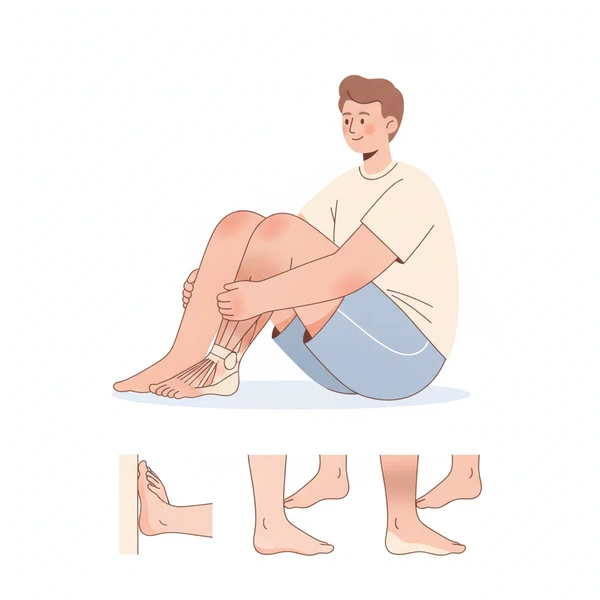
Press inside of foot against resistance without movement. Strengthens posterior tibialis and invertor muscles for ankle stability.
Stop if
Choose an easier exercise if pain reaches 6 out of 10 or becomes sharp. Stop and rest if pain reaches 8 out of 10.
This is the general ClapMove rule. This exercise has no extra stop rule of its own.
- Pain 6 out of 10 or more: choose an easier exercise.
- Pain 8 out of 10 or more: stop and rest.
Equipment needed
- Works at home
Home Options
- doorway
- wall
Dosage
3
Sets
10 sec
Reps / Time
30 sec
Rest
10-20 sec holds
Tempo
Step-by-Step Guide
Set up
- Sit with soles of feet together, or
- Place inside of foot against wall/doorframe, or
- Use other foot as resistance
Step 1 of 4
Press inside of foot into the resistance
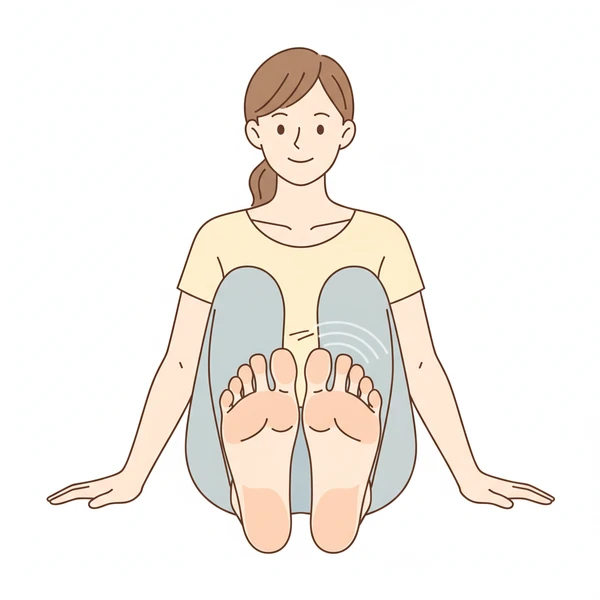
Step 2 of 4
Imagine turning sole of foot inward
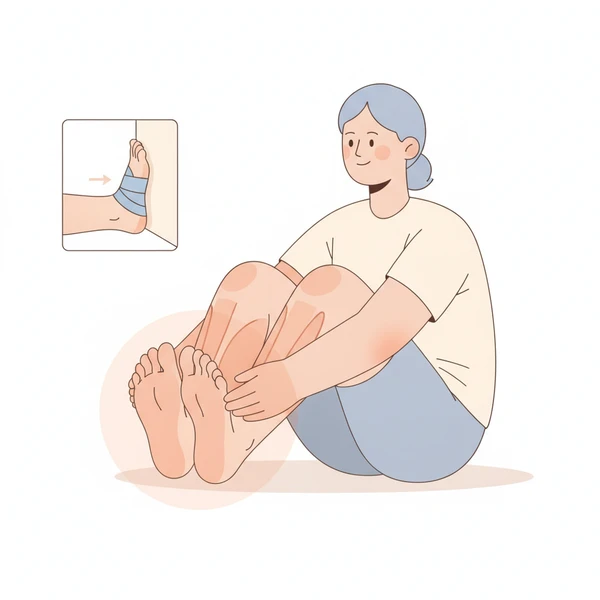
Step 3 of 4
Hold without actual movement
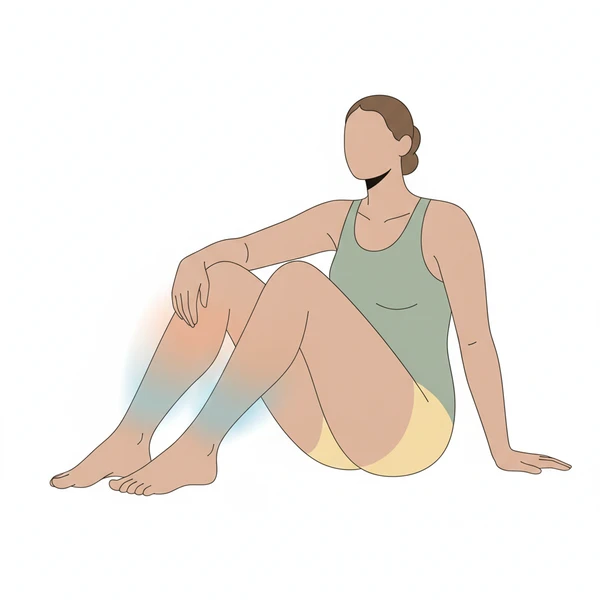
Step 4 of 4
Release and rest
Breathing
- Breathe normally throughout
Form Cues
- Push inward firmly
- Feel muscles on inside of ankle working
- Keep foot still - pure isometric
- Breathe normally
Common Mistakes to Avoid
- Actually moving the foot
- Not pressing hard enough
- Holding breath
- Using wrong surface
Safety Information
Very safe. Important for posterior tibial tendon support.
Progressions
Stronger push, longer holds
Regressions
Lighter push, shorter holds
Get your free personalized program at clapmove.com/register
Printed from clapmove.com. ClapMove is not a replacement for professional medical advice — always consult a healthcare provider before starting any exercise program.