ClapMove · clapmove.com
Exercise handout — move better, feel better.
Forefoot Raises (Reverse Calf Raise)
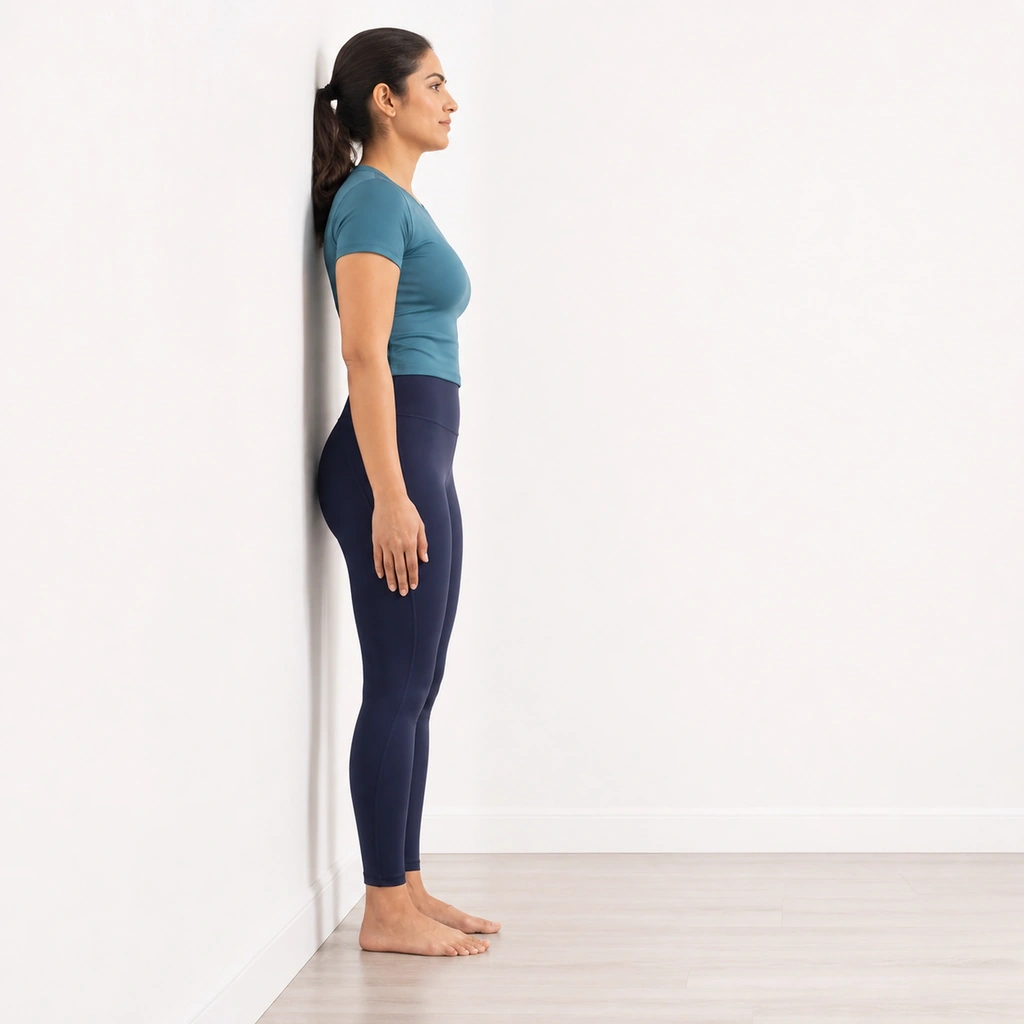
Lifting the toes and forefoot while keeping heels on the ground. Strengthens the anterior tibialis and toe extensors.
Stop if
Choose an easier exercise if pain reaches 6 out of 10 or becomes sharp. Stop and rest if pain reaches 8 out of 10.
This is the general ClapMove rule. This exercise has no extra stop rule of its own.
- Pain 6 out of 10 or more: choose an easier exercise.
- Pain 8 out of 10 or more: stop and rest.
Equipment needed
- Works at home
Home Options
- wall
Dosage
3
Sets
20
Reps / Time
30 sec
Rest
2 sec up / 2 sec down
Tempo
Step-by-Step Guide
Set up
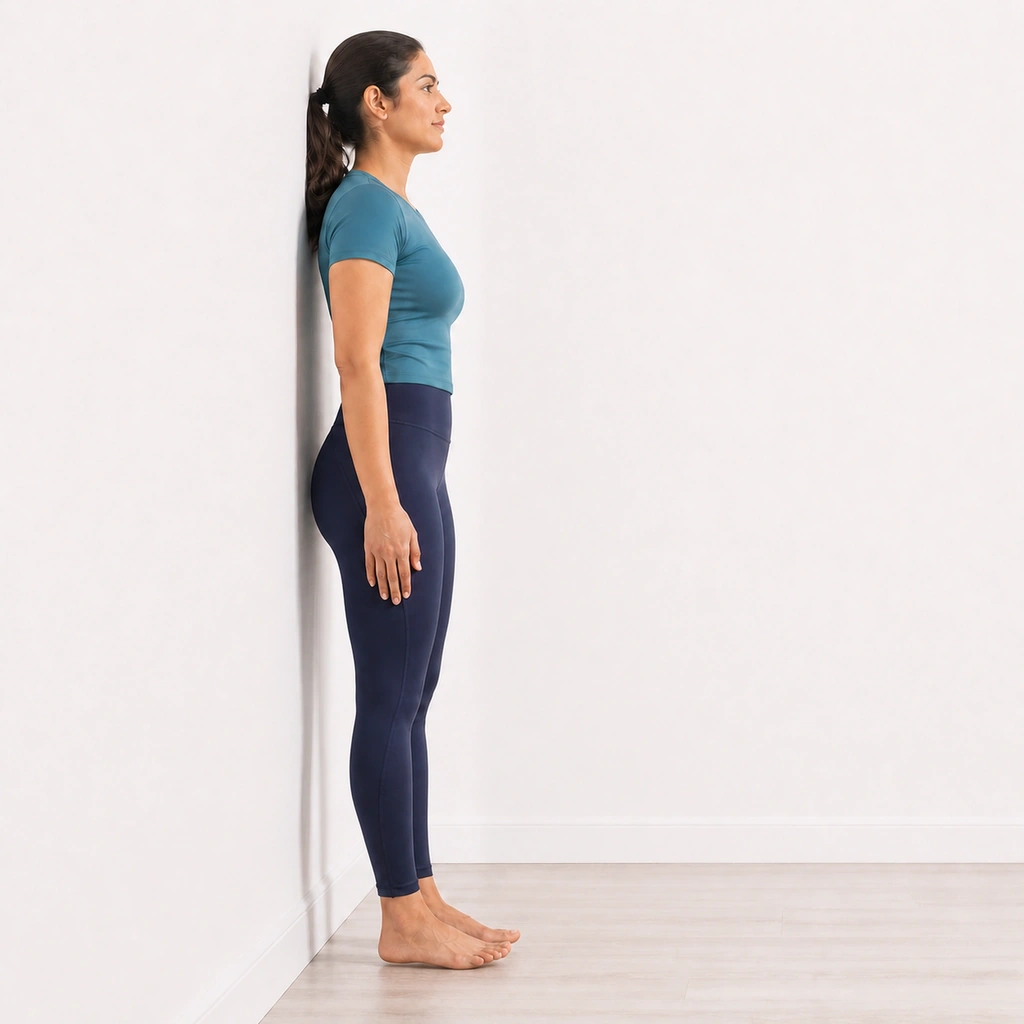
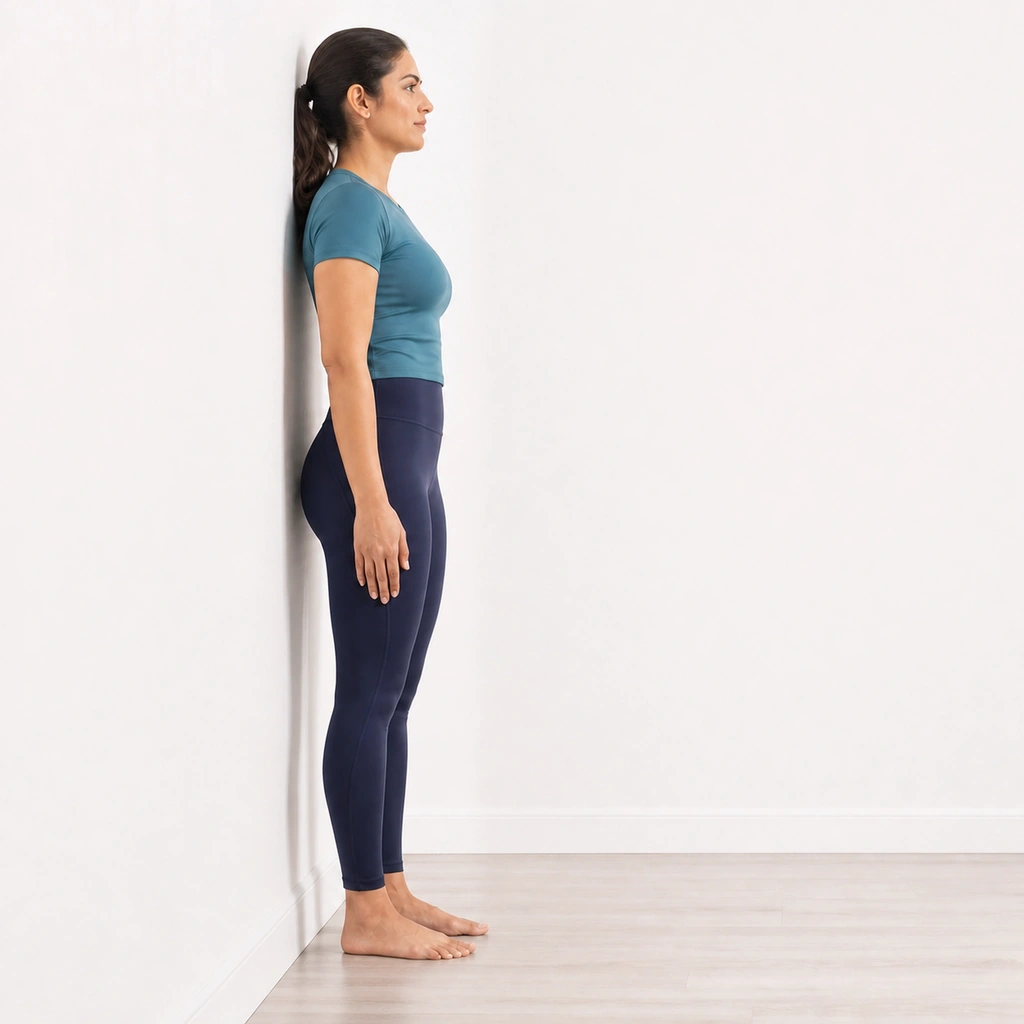
- Stand with your back against a wall
- Heels about 6 inches from the wall
- Lean back slightly
Step 1 of 6
Keep your heels firmly on the floor
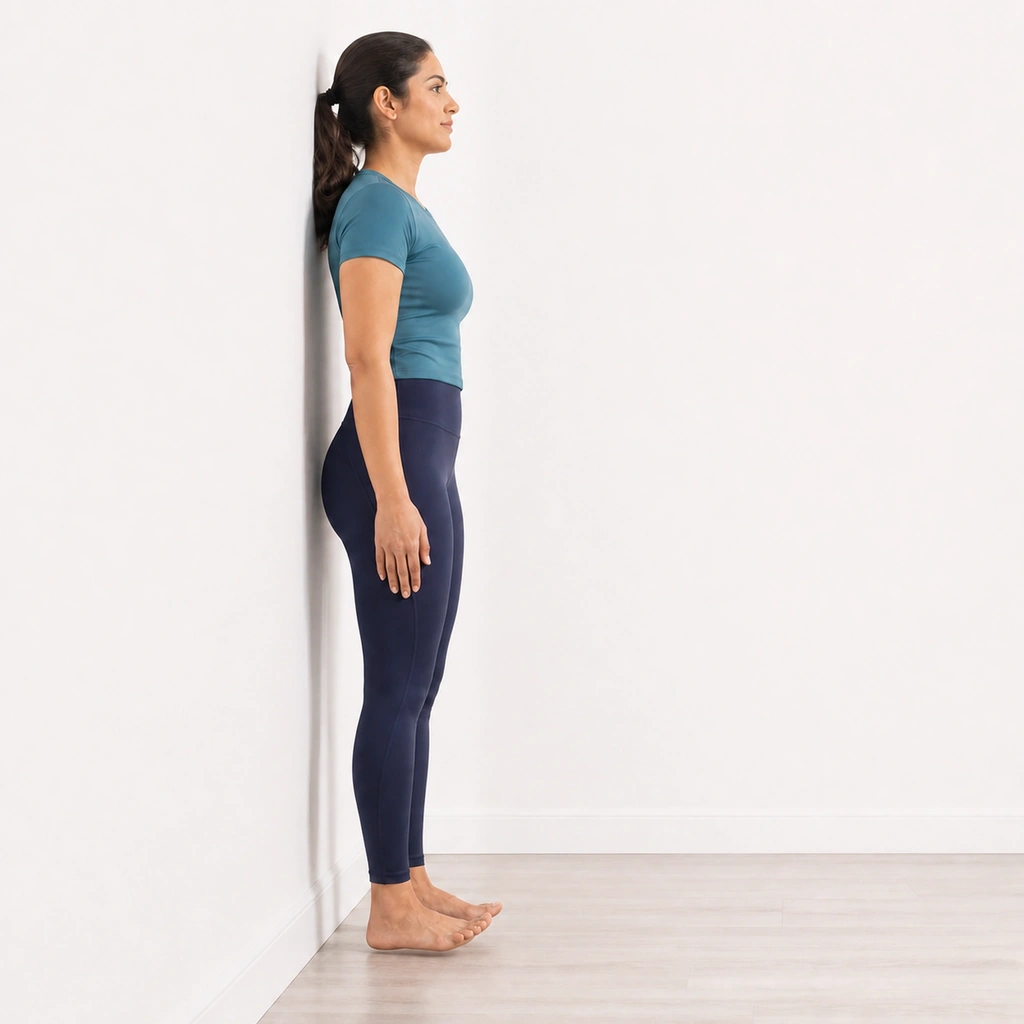
Step 2 of 6
Lift your toes and forefoot as high as possible
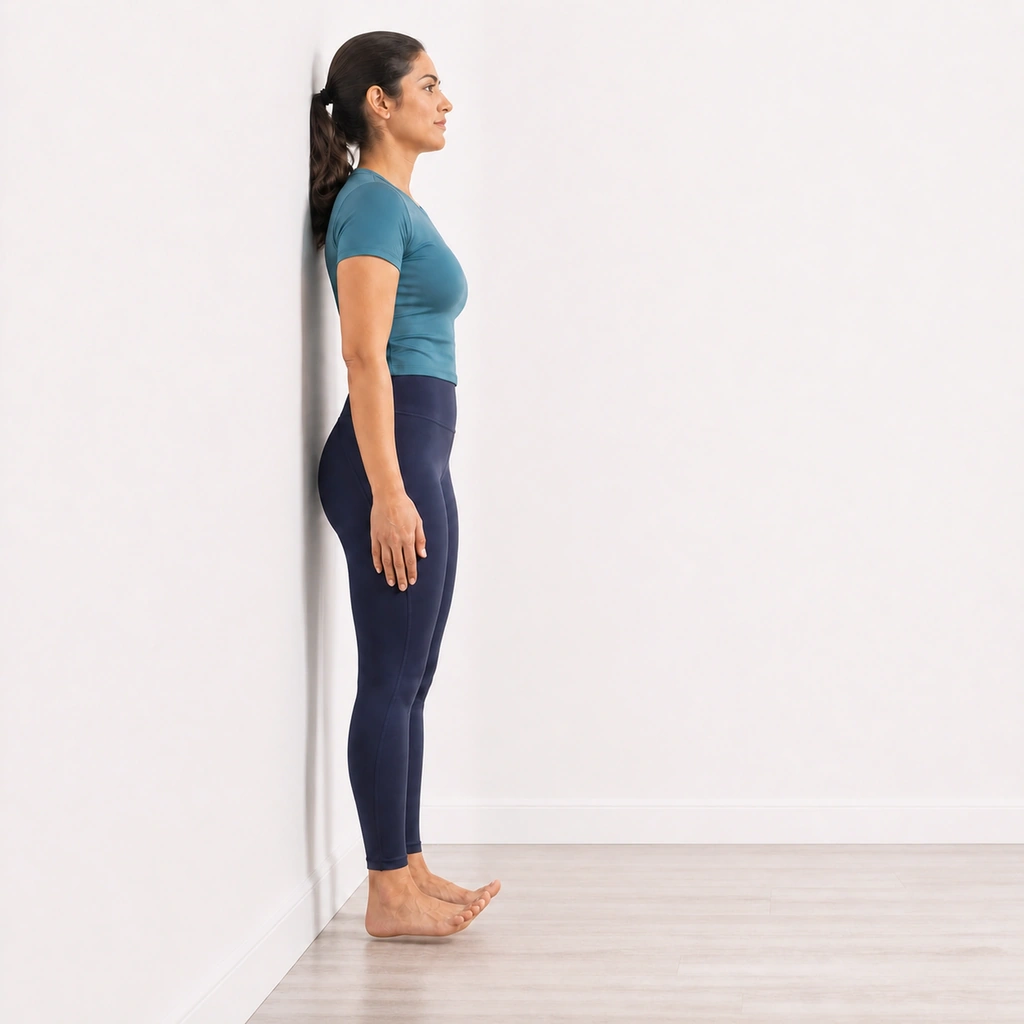
Step 3 of 6
Feel the muscles on the front of your shin working
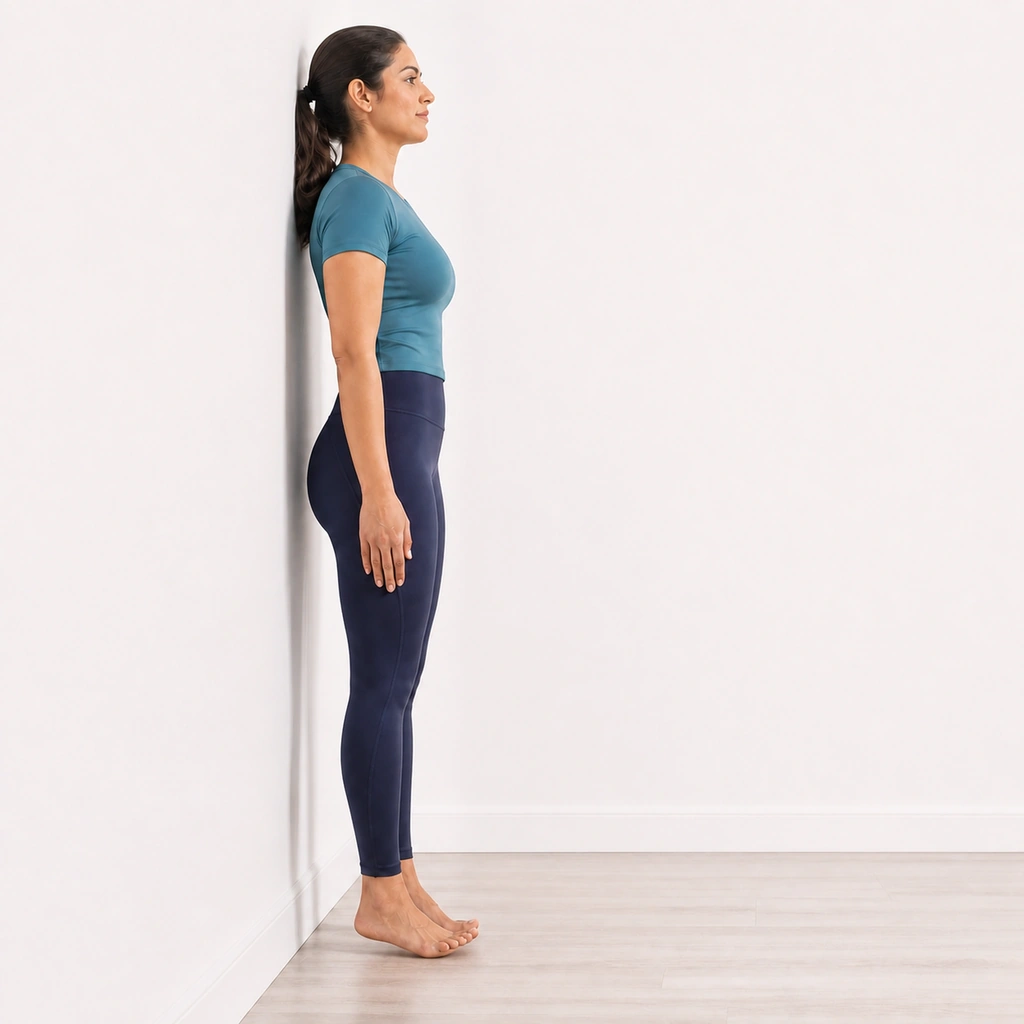
Step 4 of 6
Hold briefly at the top
Step 5 of 6
Lower with control
Step 6 of 6
Repeat
Breathing
- Exhale as you lift
- Inhale as you lower
Form Cues
- Lift the whole forefoot, not just toes
- Feel the shin muscles engage
- Keep heels down
- Control the lowering
Common Mistakes to Avoid
- Heels lifting
- Only lifting toes, not forefoot
- Dropping quickly
- Not lifting high enough
Safety Information
Very safe. Good for shin splints prevention and balance.
Progressions
Hold small weight, single-leg
Regressions
Seated version, smaller range
Get your free personalized program at clapmove.com/register
Printed from clapmove.com. ClapMove is not a replacement for professional medical advice — always consult a healthcare provider before starting any exercise program.