ClapMove · clapmove.com
Exercise handout — move better, feel better.
Cervical SNAG (Self-Mobilization)
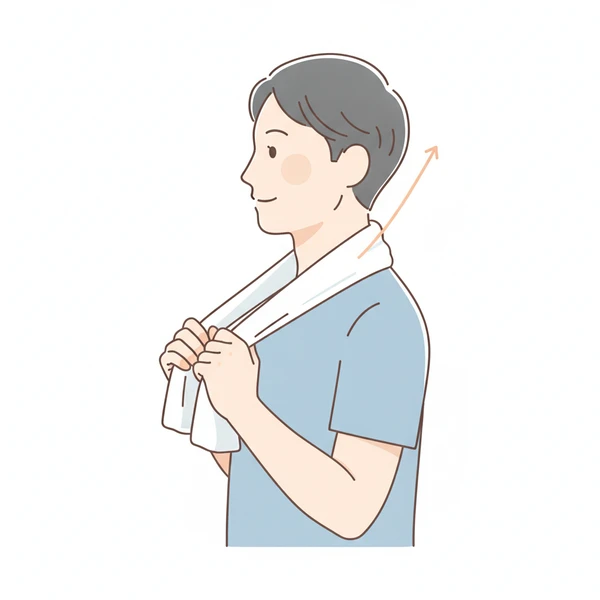
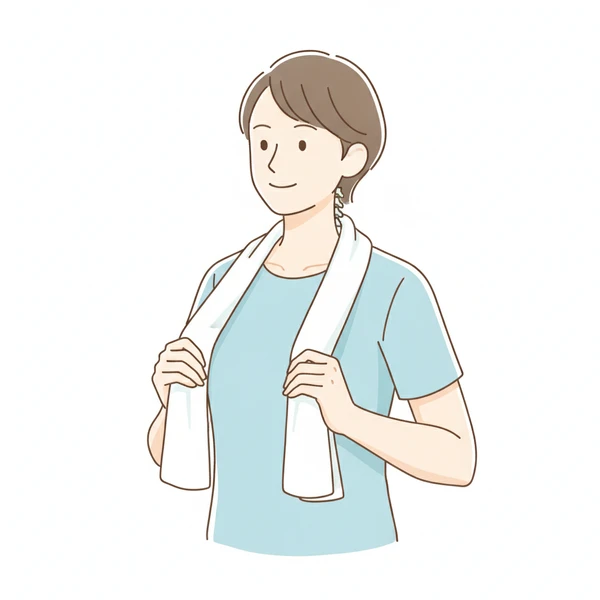
Self-mobilization technique using a towel to assist cervical movement. Based on Mulligan technique principles.
Stop if
Choose an easier exercise if pain reaches 6 out of 10 or becomes sharp. Stop and rest if pain reaches 8 out of 10.
This is the general ClapMove rule. This exercise has no extra stop rule of its own.
- Pain 6 out of 10 or more: choose an easier exercise.
- Pain 8 out of 10 or more: stop and rest.
Equipment needed
- Works at home
Home Options
- towel
No equipment? Try: SNAG strap
Dosage
2
Sets
8
Reps / Time
30 sec
Rest
Gentle 3-second movements
Tempo
Step-by-Step Guide
Set up
- Fold towel lengthwise
- Wrap around back of neck at stiff segment
- Hold both ends in front with hands
Step 1 of 5
Apply gentle forward and upward glide with towel
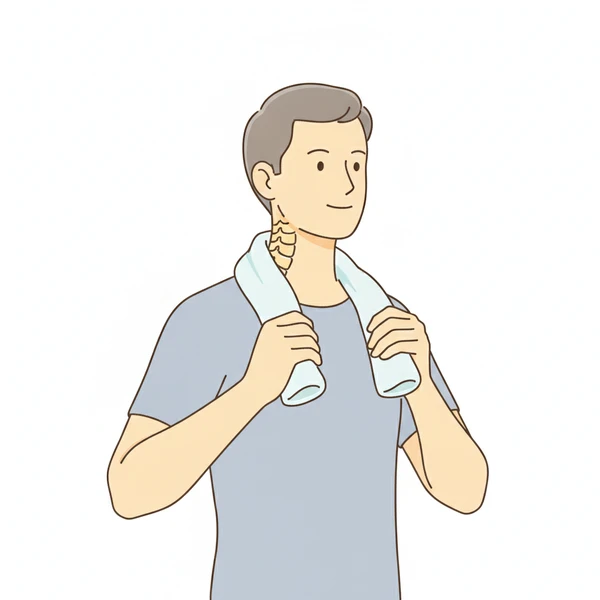
Step 2 of 5
While maintaining glide, rotate head toward restricted side
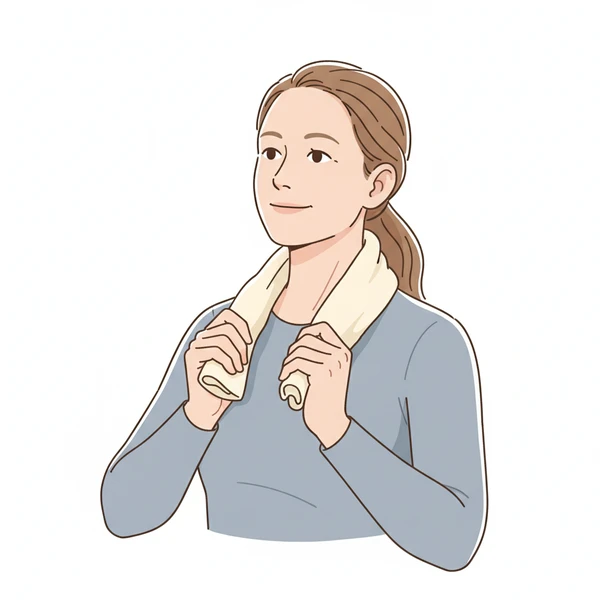
Step 3 of 5
Motion should feel easier with the glide
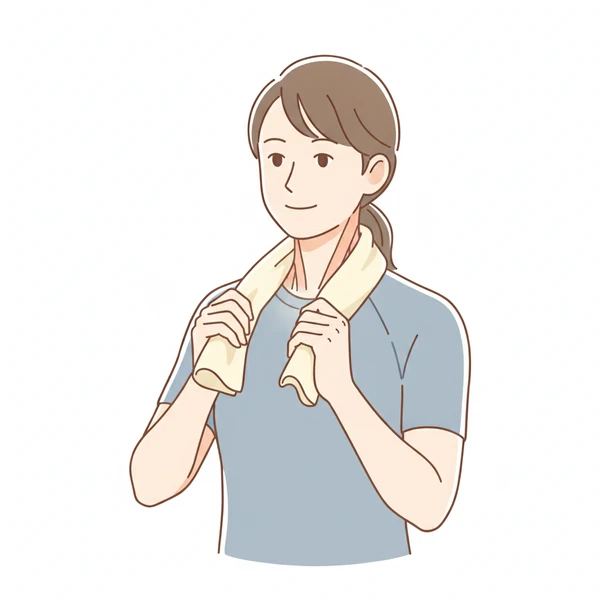
Step 4 of 5
Return to neutral, release pressure
Step 5 of 5
Repeat 6-10 times
Breathing
- Breathe normally
- Stay relaxed
Form Cues
- Gentle glide only
- Motion should feel easier
- No forcing
- Pain-free movement
Common Mistakes to Avoid
- Too much pressure
- Not maintaining glide during movement
- Wrong level
- Forcing range
Safety Information
Learn from clinician first. Stop if symptoms increase.
Progressions
Progress to sustained holds if beneficial.
Regressions
Less pressure. Guidance from clinician first.
Get your free personalized program at clapmove.com/register
Printed from clapmove.com. ClapMove is not a replacement for professional medical advice — always consult a healthcare provider before starting any exercise program.