ClapMove · clapmove.com
Exercise handout — move better, feel better.
Cervical Rotation (Look Left/Right)
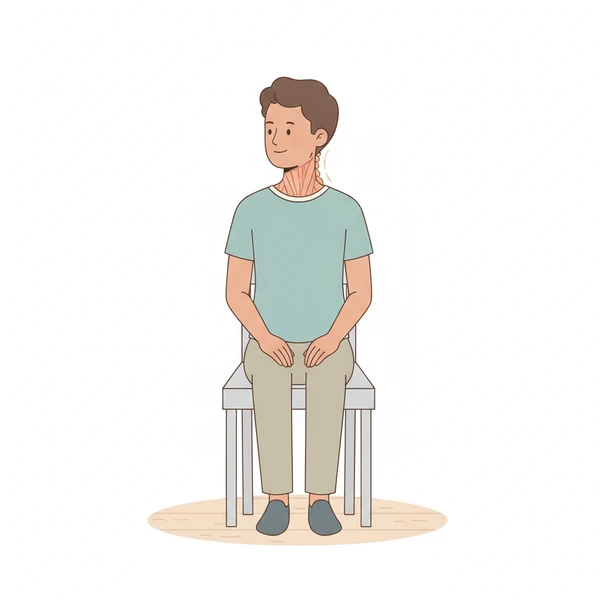
Gently turn your head left and right to improve neck rotation. A fundamental mobility exercise safe for most neck conditions.
Stop if
Choose an easier exercise if pain reaches 6 out of 10 or becomes sharp. Stop and rest if pain reaches 8 out of 10.
This is the general ClapMove rule. This exercise has no extra stop rule of its own.
- Pain 6 out of 10 or more: choose an easier exercise.
- Pain 8 out of 10 or more: stop and rest.
Equipment needed
- Works at home
chair
Home Options
- chair
Dosage
2
Sets
10
Reps / Time
30 sec
Rest
2 seconds each way
Tempo
Step-by-Step Guide
Set up
- Sit tall in a chair or stand with good posture
- Shoulders relaxed and down
- Eyes looking straight ahead
Step 1 of 5
Slowly turn your head to look over your left shoulder
Step 2 of 5
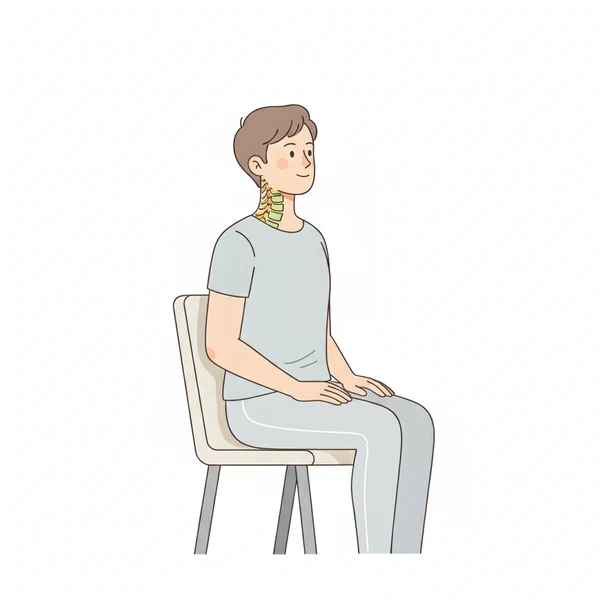
Go only as far as comfortable without forcing
Step 3 of 5
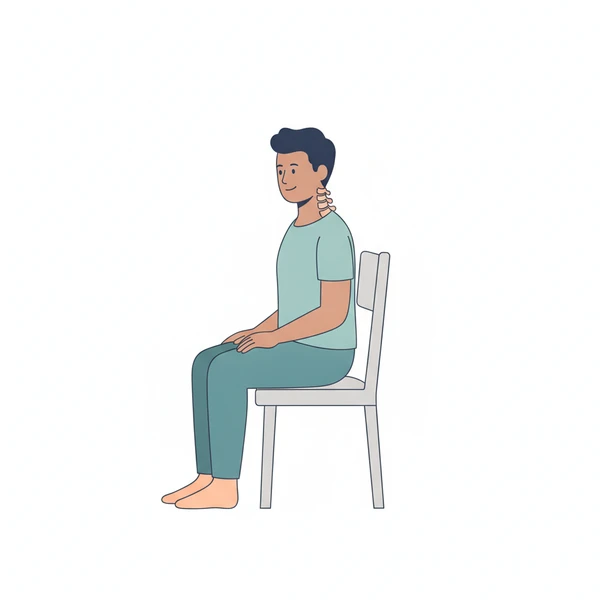
Pause briefly at the end
Step 4 of 5
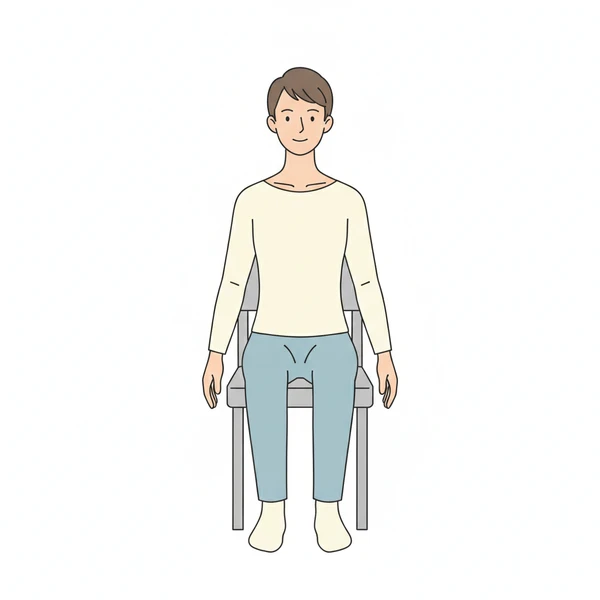
Return to center looking straight ahead
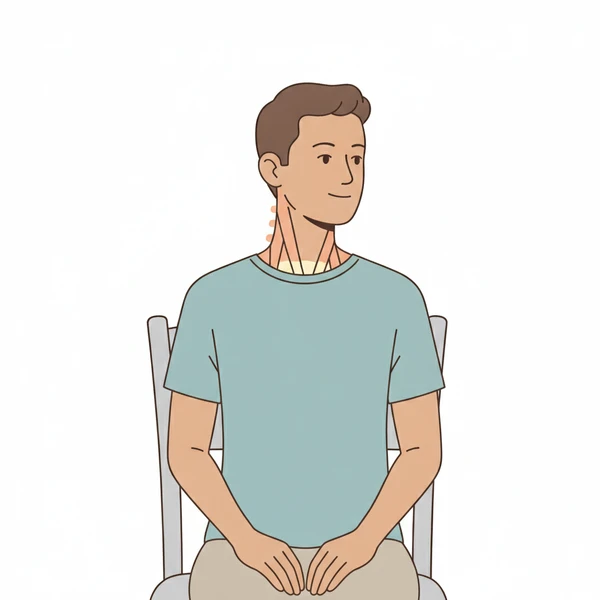
Step 5 of 5
Repeat turning to the right side
Breathing
- Breathe normally throughout
- Do not hold your breath
Form Cues
- Keep your chin level
- Move slowly and smoothly
- Shoulders stay still
- Stop if dizzy
Common Mistakes to Avoid
- Turning too fast
- Forcing past comfortable range
- Tilting head while turning
- Moving shoulders
Safety Information
Stop if dizziness occurs. Do not force past comfortable range. Avoid if recent whiplash.
Progressions
Hold at end range for 2 seconds. Add gentle overpressure with hand.
Regressions
Reduce range of motion. Stop before any discomfort.
Get your free personalized program at clapmove.com/register
Printed from clapmove.com. ClapMove is not a replacement for professional medical advice — always consult a healthcare provider before starting any exercise program.