ClapMove · clapmove.com
Exercise handout — move better, feel better.
Cervical Side Bend (Ear to Shoulder)
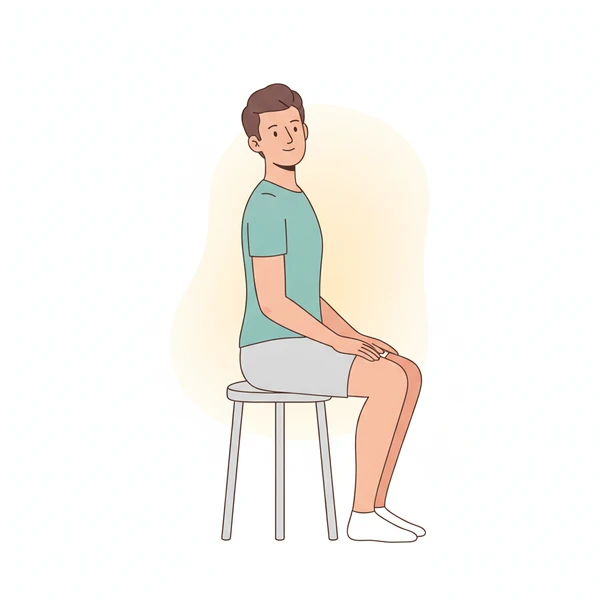
Gently tilt your head to bring ear toward shoulder. Improves lateral neck mobility without straining muscles.
Stop if
Choose an easier exercise if pain reaches 6 out of 10 or becomes sharp. Stop and rest if pain reaches 8 out of 10.
This is the general ClapMove rule. This exercise has no extra stop rule of its own.
- Pain 6 out of 10 or more: choose an easier exercise.
- Pain 8 out of 10 or more: stop and rest.
Equipment needed
- Works at home
none
Home Options
- bodyweight
Dosage
2
Sets
10
Reps / Time
30 sec
Rest
2 seconds each way
Tempo
Step-by-Step Guide
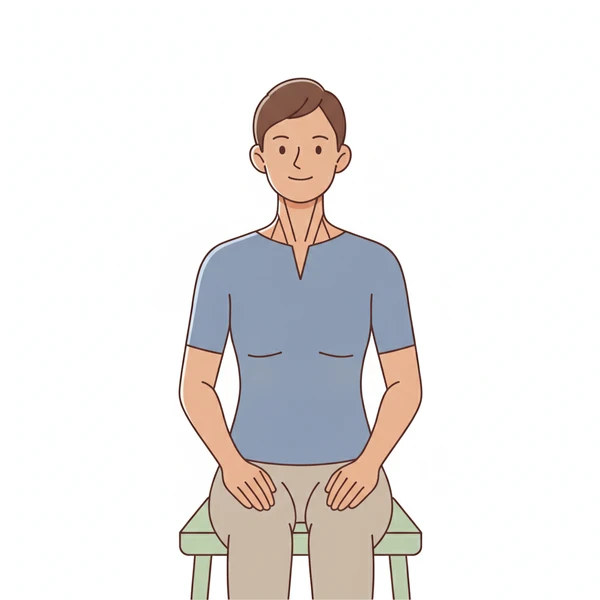
Set up
- Sit tall with shoulders relaxed
- Arms resting at sides
- Look straight ahead
Step 1 of 5
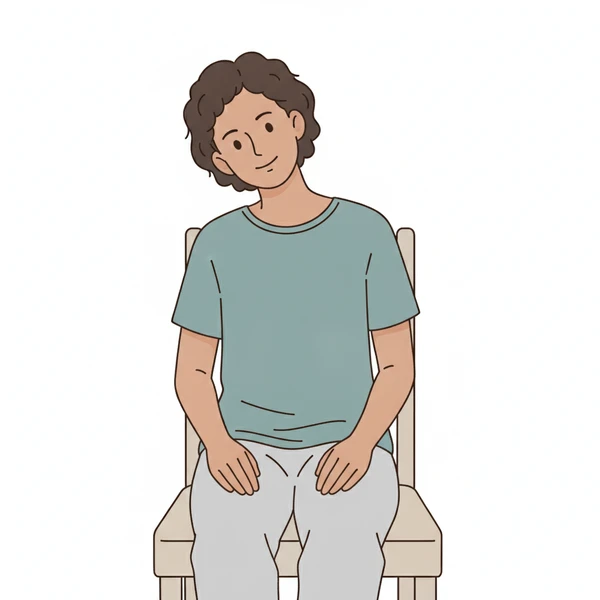
Keeping shoulders still, tilt head to the left
Step 2 of 5
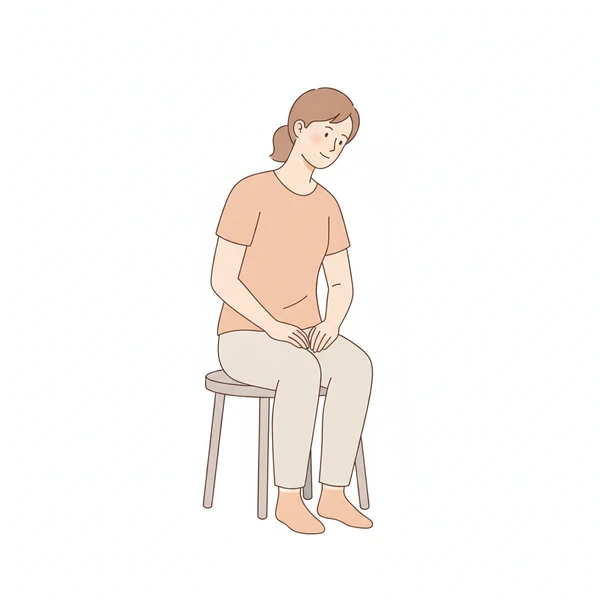
Bring your ear toward your shoulder
Step 3 of 5
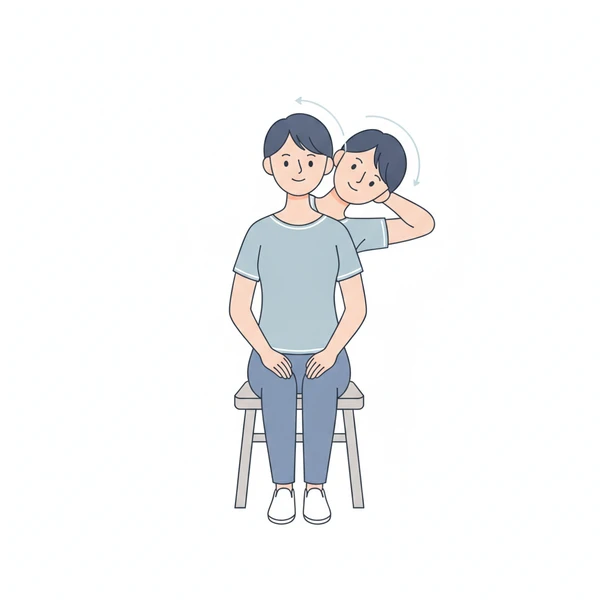
Do not lift the shoulder up
Step 4 of 5
Hold briefly, then return to center
Step 5 of 5
Repeat to the right side
Breathing
- Breathe normally
- Exhale as you tilt
Form Cues
- Keep shoulders down
- Move from the neck only
- Stop before any sharp pain
- Keep face forward
Common Mistakes to Avoid
- Lifting shoulder to meet ear
- Rotating head while tilting
- Forcing through tight spots
Safety Information
Stop if numbness or tingling occurs in arms.
Progressions
Hold for 3-5 seconds at end range.
Regressions
Smaller range of motion.
Get your free personalized program at clapmove.com/register
Printed from clapmove.com. ClapMove is not a replacement for professional medical advice — always consult a healthcare provider before starting any exercise program.